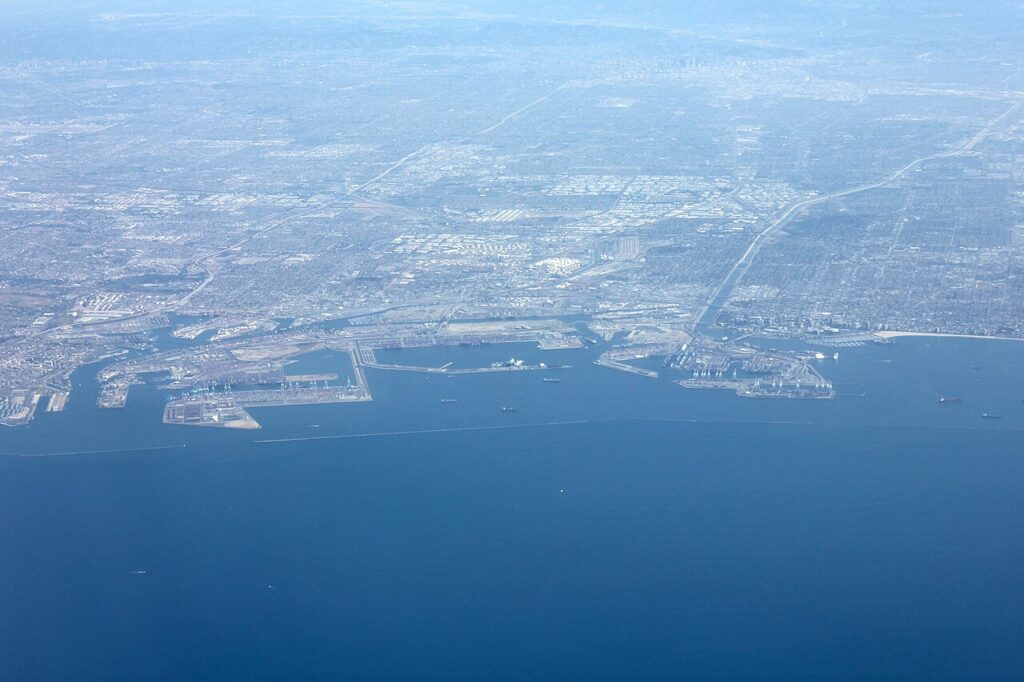
The Port of Los Angeles handled 1,042,652 twenty-foot equivalent units (TEUs) in September 2026, according to its October 9 cargo announcement. The port described it as the busiest month in its history.
Loaded imports and exports both increased
| September cargo category | Volume | Change from September 2025 |
|---|---|---|
| Loaded imports | 545,696 TEUs | Up 19% |
| Loaded exports | 125,751 TEUs | Up 10% |
The monthly total also includes empty-container movements. The loaded categories shown here are not the entire port total. This is September activity reported in October, rather than a measurement of current-day conditions.
What the record tells a shipper
The announcement provides a reference point for the amount of container traffic handled at this gateway. It is useful background when discussing a Los Angeles routing plan. A shipment of machinery or components, however, still has a specific vessel, terminal, release process and onward movement.
A high monthly throughput figure cannot establish the delivery time for that shipment. Nor does the headline provide a freight quotation, an appointment slot or a guarantee that cargo will be ready for collection when the vessel arrives.
Questions for the shipment plan
- Which terminal will handle the container, and who will confirm its availability for pickup?
- What must be completed before collection, and who is responsible for tracking each outstanding release?
- Is the inland move booked against a confirmed cargo-availability date or only an estimated vessel arrival?
- What is the agreed next action if the collection date changes?
These are planning questions, not findings about congestion at Los Angeles. Keep the answers with the shipment record so that a revised date has an owner and a follow-up action.
Compare like periods and categories
When discussing the record internally, label the total as TEUs handled during September and identify loaded imports separately from loaded exports. Comparing a full month’s port total with a weekly supplier dispatch count would obscure rather than clarify the change.
For equipment buyers, the practical value of the release is context for routing conversations. Decisions about a particular order should use its current transport information alongside that context.
Source: Port of Los Angeles September cargo announcement, published October 9, 2026.