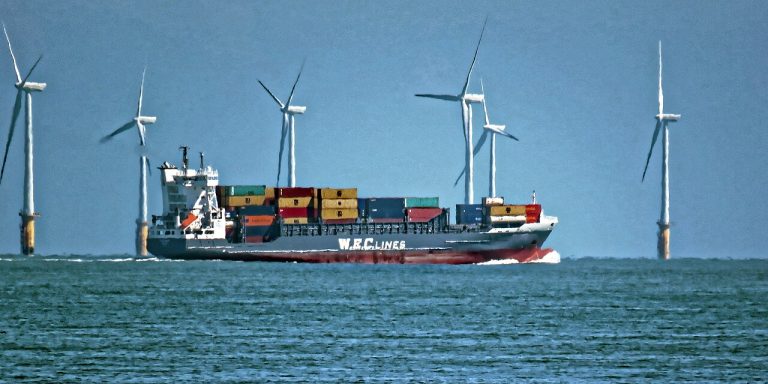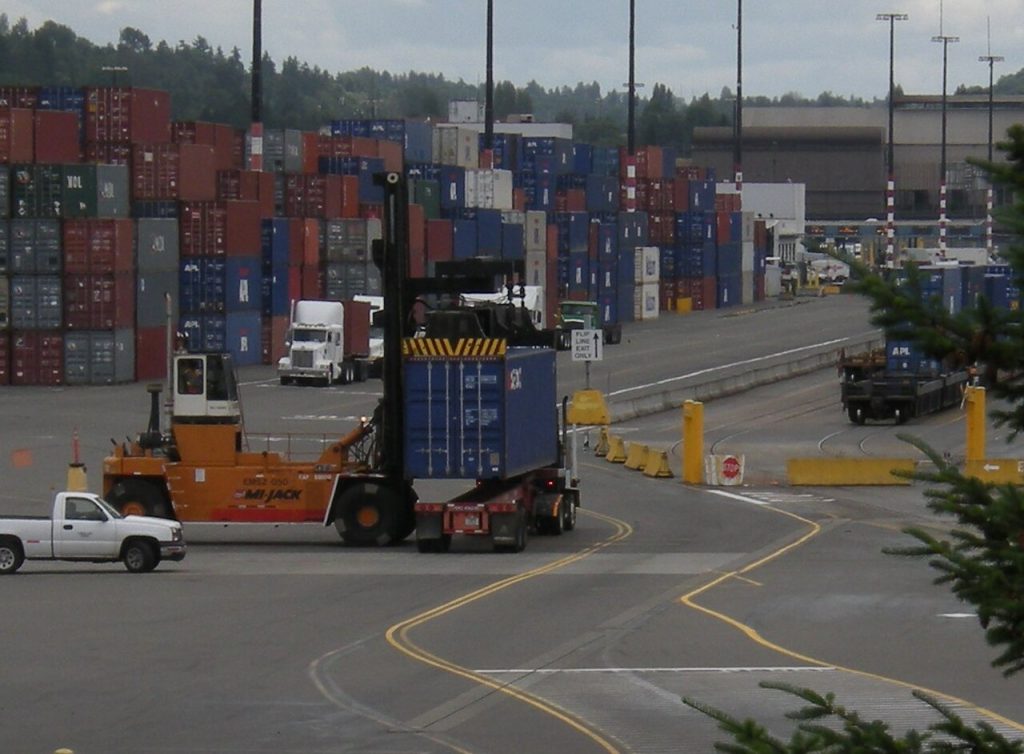
The World Trade Organization’s 8 October 2026 trade outlook announcement raises its forecast for global merchandise trade volume growth this year to 3.9%, compared with 1.9% in March. It projects 4.1% growth in 2027. These are forecasts, not completed full-year results.
The distinction behind the headline
The WTO attributes the stronger goods outlook to AI-related demand and supply chains adapting to disruption. Its services outlook moves in the other direction: projected 2026 commercial services trade volume growth falls to 3.3%, from 4.8% in March. The organization describes uneven regional exposure and pressure on transport and travel.
For readers tracking industrial demand, the important distinction is between an aggregate goods forecast and a particular market. An improved global total does not establish stronger orders for an individual machinery supplier. Nor does a goods-volume measure describe the price a buyer will pay for a shipment.
A practical way to read the update
Keep three questions separate when discussing the report with procurement or sales teams:
- Which product and destination does the business depend on?
- Is the discussion about shipment volume, contract value or delivery capacity?
- Which assumptions still need to be checked against the actual supplier and route?
Those questions are editorial context, not additional WTO findings. The announcement does not supply a company-specific demand forecast or a freight quote. Keep commercial decisions tied to verified orders and current contractual terms.
What remains open
The 2026 and 2027 figures can change as new evidence arrives. Preserve the report date and forecast status when comparing them with later updates. Follow our economy and trade coverage for dated reporting, rather than treating one release as a permanent outlook.